I run the loop between research, briefs, and what the numbers say came back. Ten years directing creative production for DTC brands: ~10 briefs a week, 40+ assets a month across statics, video and UGC, produced by in-house designers and editors, freelance creators and outside production partners, all working to a written bar I set and QA against.
Most creative teams get faster by working harder. These are the three pieces I build so output scales without quality sliding, and so every brief can point at the thing that justified it.
Before any brief, the brand gets a research workbook: customer reviews, Reddit and Amazon mining, competitor ad-library teardowns, and sentiment analysis, resolved into personas, awareness stages, angles, and 100 scored hooks.
Briefs flow through Notion to designers, editors, and creators on a fixed cadence, with locked naming, versioning, ratio, and delivery conventions. AI handles volume on statics and concepting; strategy and QC stay human.
QA checklists for briefs, statics, and video catch problems before the client sees them. Biweekly partner reviews hold quality. A weekly learnings note turns last week's reads into next week's test roadmap.
Agencies, freelancers and in-house teams all fail the same way: the brief was vague, so the work came back defensible. I manage that with written non-negotiables and explicit rejection criteria, agreed before anyone starts.
Managed external agency partners at a global management-consulting firm serving Fortune 500 clients, while leading an internal team of four. Enterprise procurement, enterprise standards, enterprise consequences for a missed deadline.
Direct in-house designers, editors and creators plus freelance partners and outside production vendors across a portfolio of brands, setting priorities, running the review cadence, and owning whether the output ships.
Every partner works from a brief carrying the deliverable spec, the non-negotiables, and the criteria that get a batch sent back. Biweekly review on quality and pace. A QA checklist clears it before a client ever sees it.
Each rule names the failure it prevents and cites the batch that failed. A partner can self-check against it before delivery, which is the difference between a revision round and a rejection, and it means feedback is never a matter of my opinion against theirs.
Fourteen months on a high-ticket recovery-hardware brand selling hyperbaric chambers, cold plunges, and saunas at roughly a $3.3K AOV. Monthly revenue climbed from $43K to $188K, a 331% increase, while monthly spend scaled from $12K to $25K+ and ROI stayed positive the whole way. Holding efficiency while spend doubles is a creative problem long before it is a bidding one, which is why the creative engine is the story here.
I built the full AI-assisted creative system end to end: market research resolved into a Creative DNA, distinct angles mapped across the funnel, then brand-true statics generated at volume and QA'd for launch. 30+ statics across 4 product lines and 9 angles, with no studio and no photoshoot.
Later in the engagement the account softened: ROAS slid from 6.47x to 5.74x month over month and CPA climbed from $399 to $490, on a month that still turned over $129,298. Growth had come from volume, and the library had drifted back toward product education. What follows is how I read it and what I briefed next.
August had no holiday to sell against, so the calendar moment was manufactured. Every unit below carries a visible discount badge, leads on outcome rather than spec, and speaks in second person. Concepts are split by product, never all-products-together.



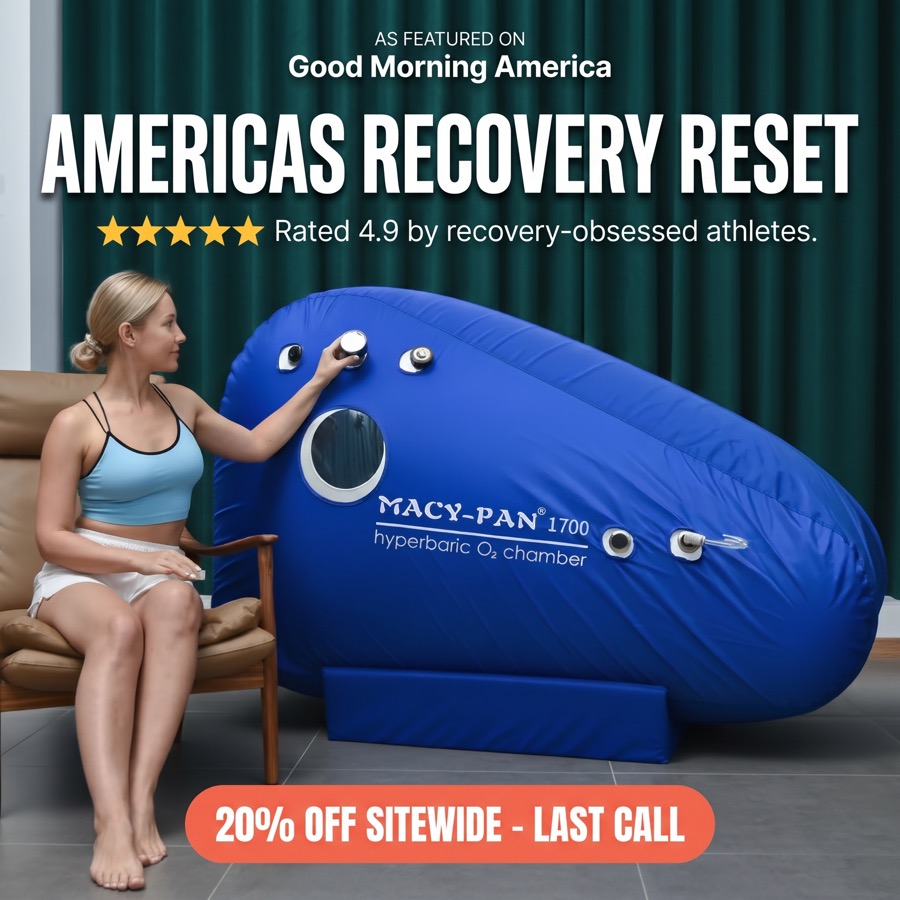
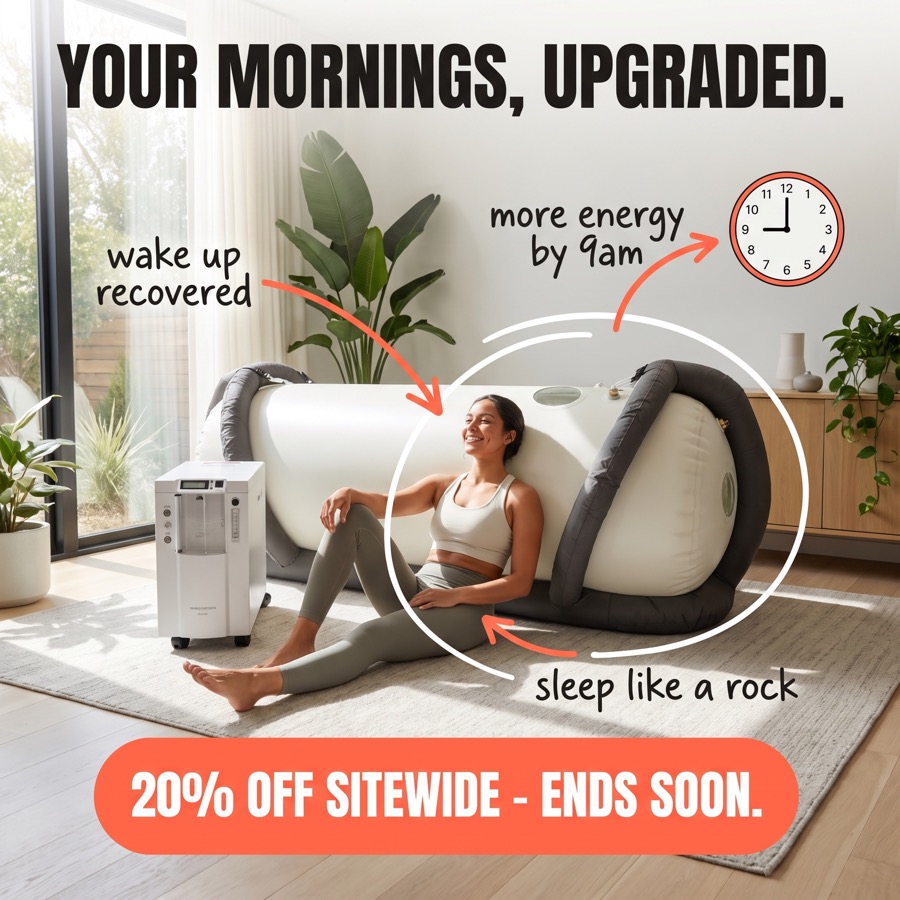
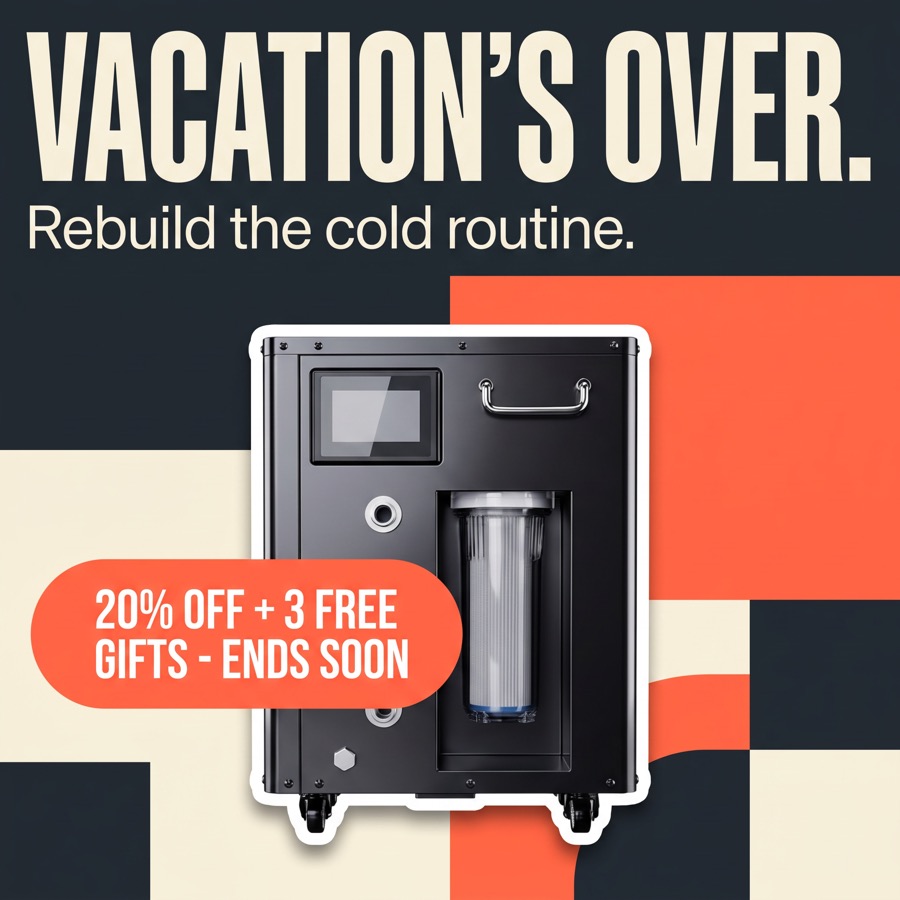
The two highest-ROAS ads of the period both used relationship and lifestyle imagery with visible trust cues, not product-only renders. Product education, with no offer or urgency, did not compete in feed at any spend level. That single read redirected how the following month's concepts were weighted.
Near-identical visuals accelerate fatigue and give the buyer nothing to read, since one layout in four tones tests tone, not concept. Enforcing distinct concepts is what kept a small weekly volume producing clean signal.

Statics are half the job. The other half is scripts, hooks, UGC and edits, judged on hook rate and hold rate before anything downstream matters, because an ad nobody watches past three seconds has no CTR worth reading.
Two columns, so the editor is never guessing. Left is what is on screen, right is what is said. Overlays and runtime markers are specified inline rather than left to interpretation.
Runtime map on every script: hook 0–5s, body 5–45s, CTA 45–60s. Delivered 9:16 and 1:1, both required, because 4:5 gets cropped at the edges on launch.


The street-interview cut in full, 60 seconds. Briefed, shot list set, and cut to land the offer in the final beat.
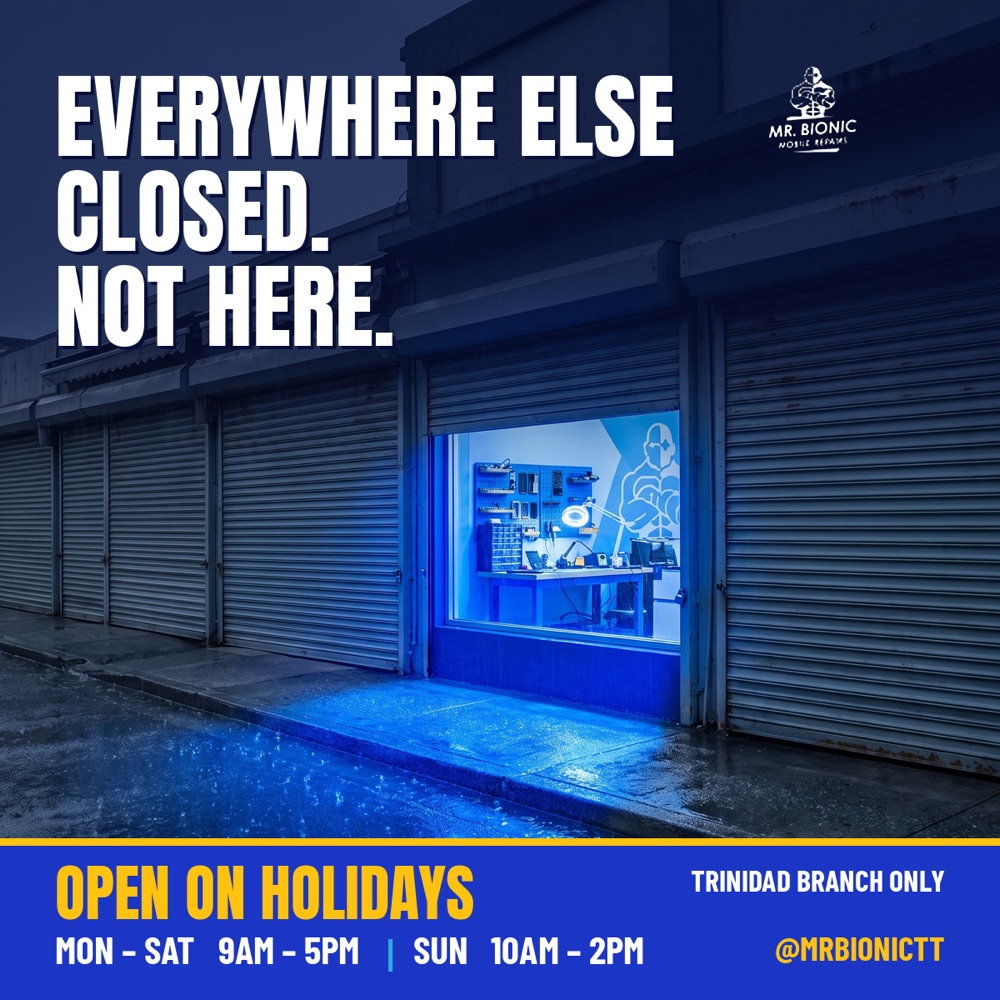
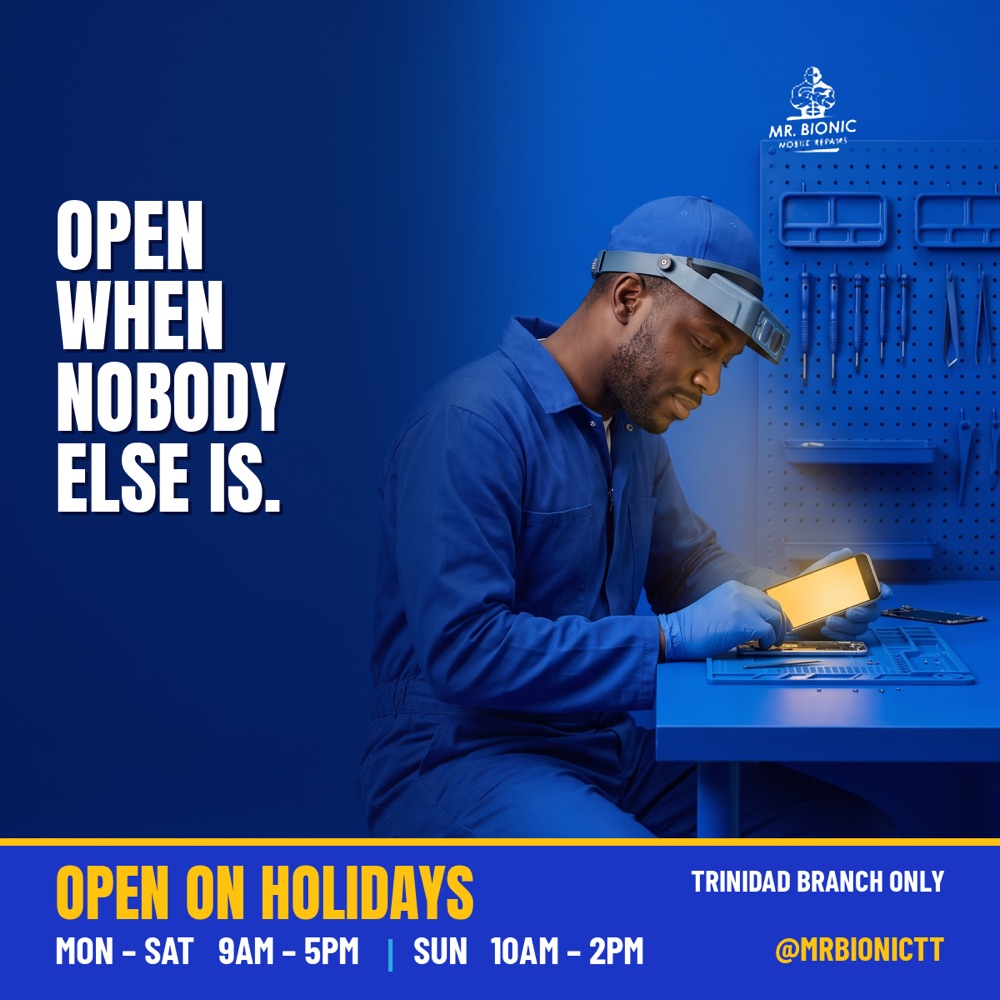
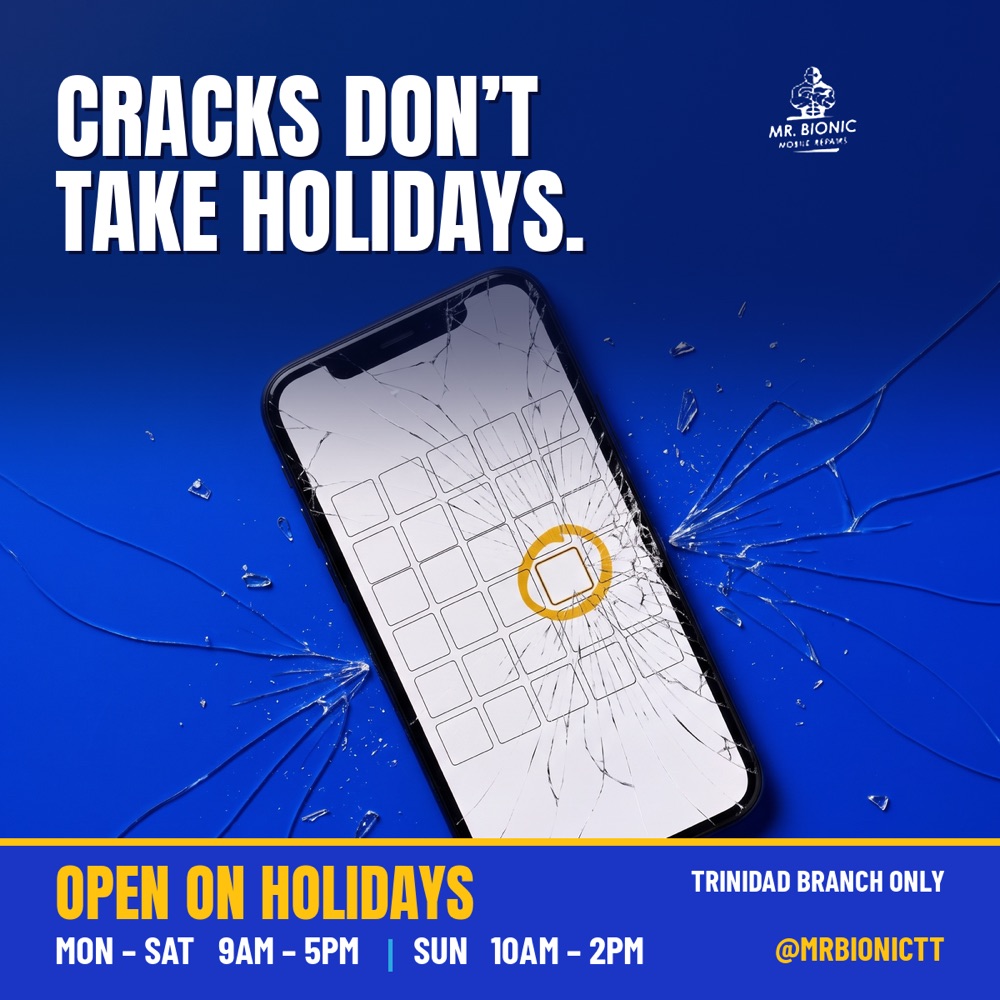
One insight, four genuinely different executions, one locked offer bar. This is what I mean when I say distinct concepts rather than copy variations, and it is the standard every brief I write is held to.


The engine behind case study 01, now running across the whole portfolio: an in-house AI creative pipeline of 35+ custom production skills that takes a researched brief to finished statics and UGC concepts the same day, QA'd to brand-designer standard. Strategy, art direction, and the final pass stay with a person, which is the only reason the output is usable.
Anything generated is QA'd against the real product before it ships. On high-ticket categories especially, people buy what they actually see, so a render that flatters the product into something the brand does not sell is a defect, not a creative choice.
A standing analysis that rolls every spending ad up by concept and scores the concepts, not the ads. This is what turns a month of output into next month's test roadmap, and it is the document the team and the client actually argue over.
Monthly on creative, with country, audience-segment and placement breakdowns running alongside it, plus separate TikTok audits where the account runs there. Each one ends in a ranked list of what to scale, what to rewrite, and what to cut.
Absolute spend and conversion volumes withheld. Relative figures and verdicts are as written in the original.
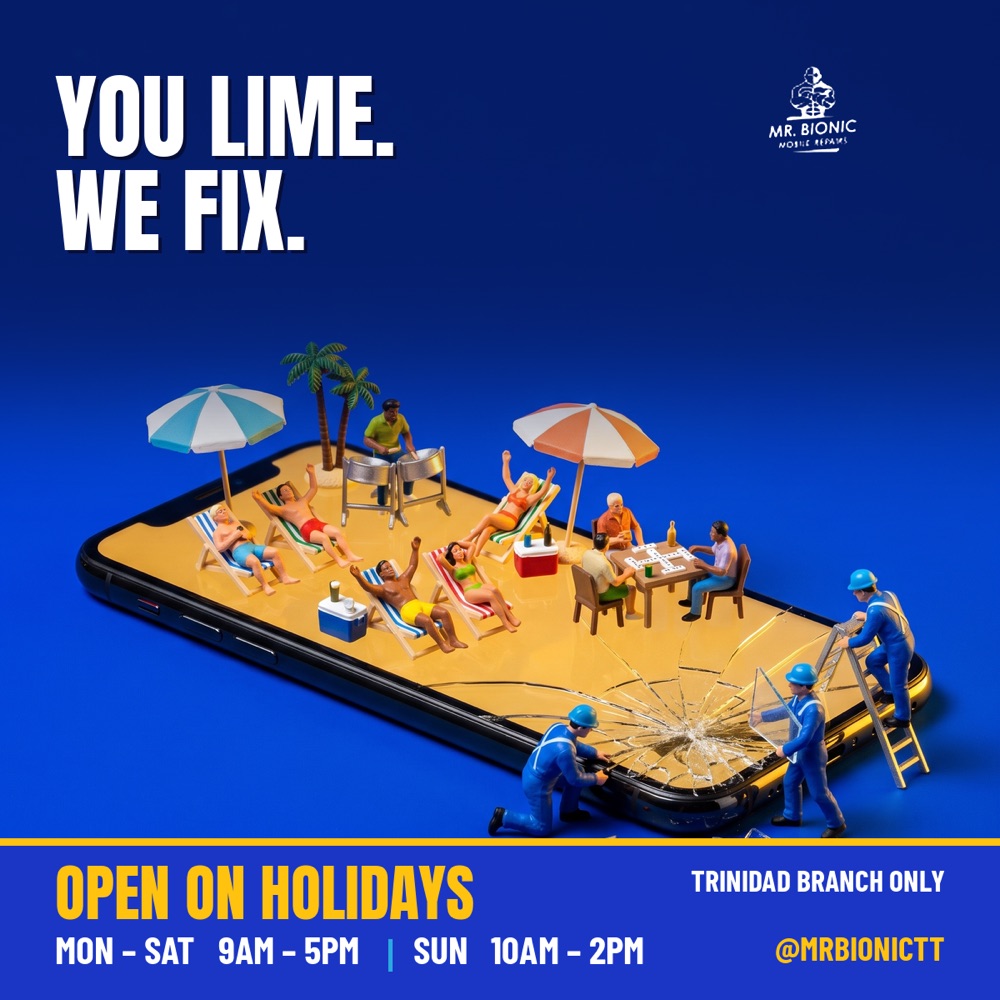
Direct response is one voice. The brief system is the same whichever voice the brand needs, because the research decides the register, not my preference.


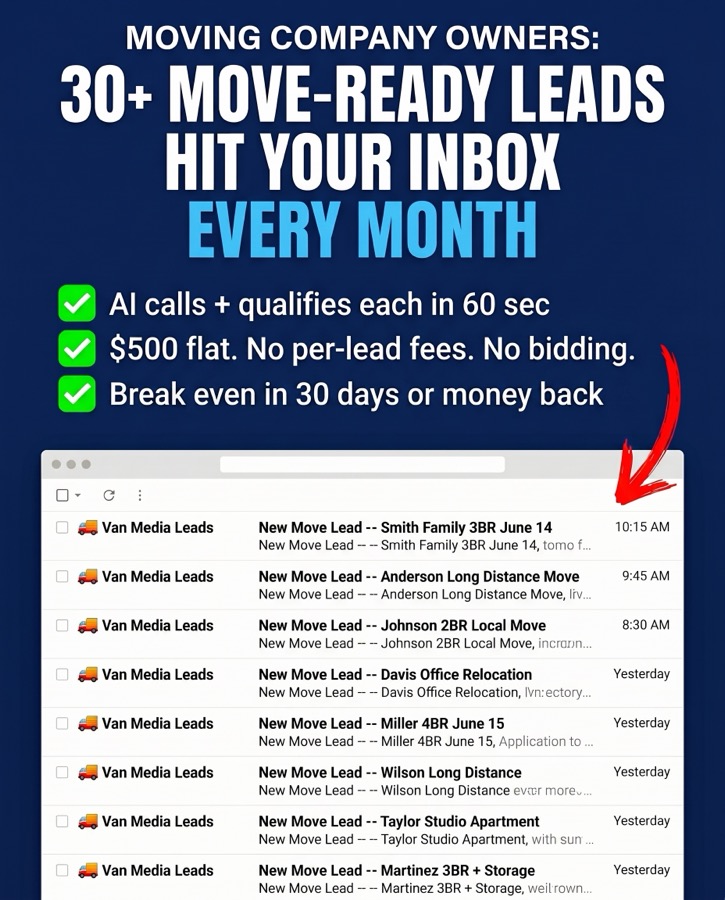
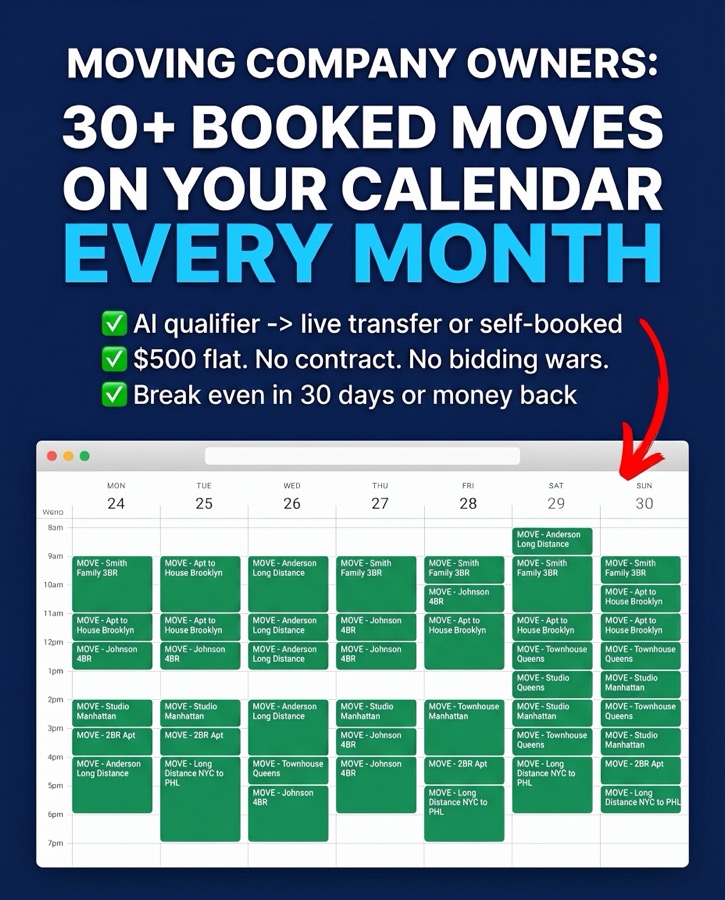
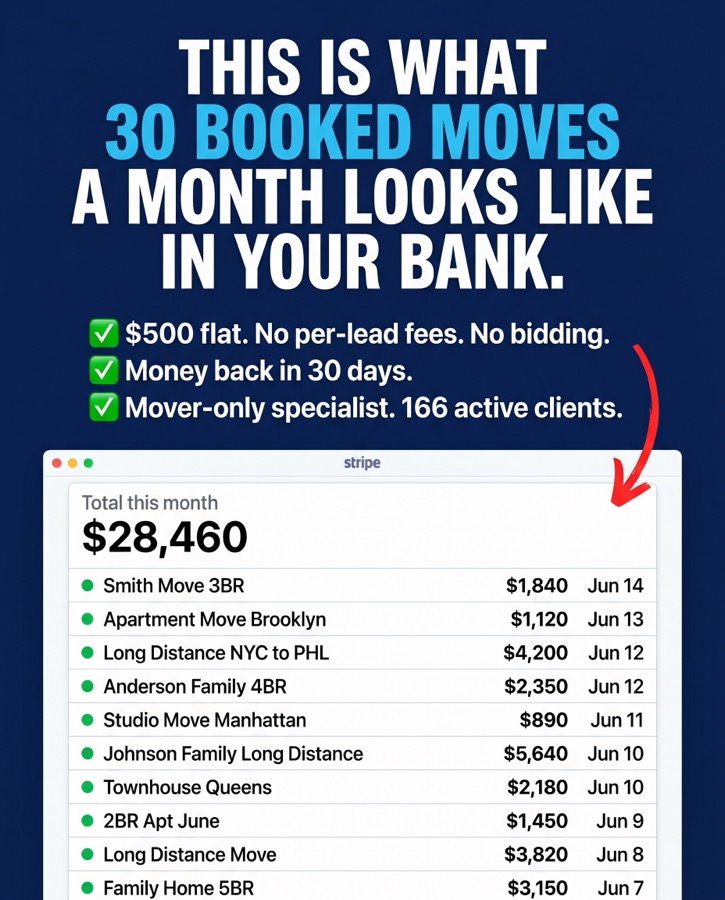
Inbox, calendar, bank. Each asset answers the objection the previous one leaves standing, so the set functions as a sequence rather than four interchangeable images, and the buyer can read which stage of doubt is actually costing conversions.
Eight fields, every time. If a field is empty the brief does not go out, because an empty field is how you get an asset nobody can read a result from.
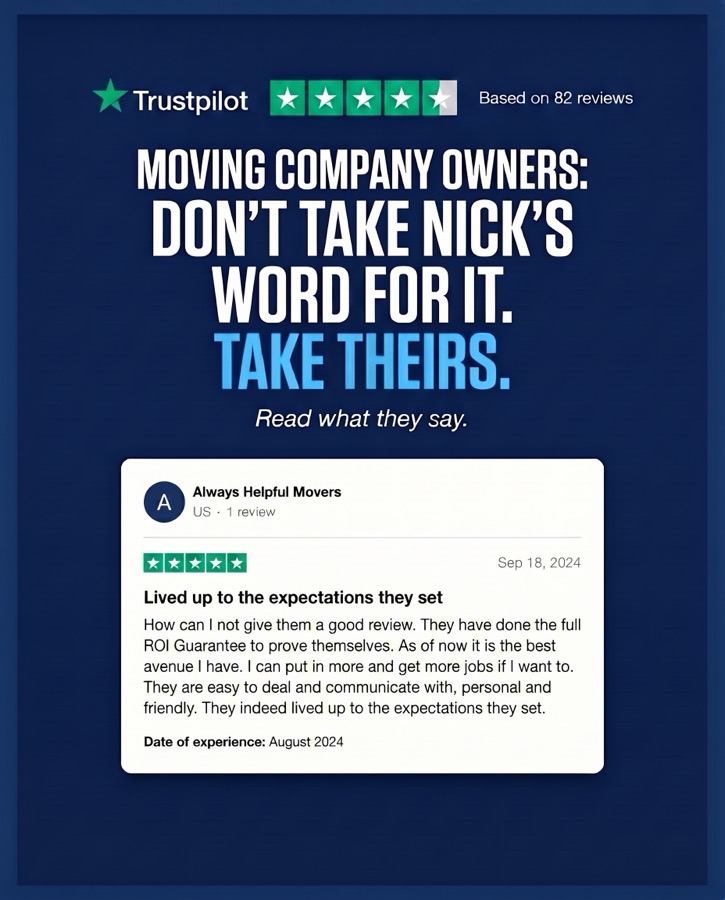
"We were stuck constantly running promotions which cut into our revenue. Ammeil rebuilt our ad strategy to focus on benefits that actually mattered to our target audience. The result: new creative without fatigue, increased volume of qualified leads, shorter sales cycle and measurable success."
Candace Bernard Peters · Assistant Manager, Maritime Financial Group
"From the very first day that we switched on ads, we went from a place where it was a struggle to get clients, and now we barely have time to sleep. It's like a 10x ROI."
Nicholas Roach · Team Lead, C7 Caribbean